Showing posts with label YOSEMITE NATIONAL PARK. Show all posts

Tuesday, August 20, 2019

CA-YNP: Yosemite National Park Stage 1 Fire Restrictions

National Park Service
U.S. Department of the Interior
Yosemite National Park
Fire Information Office

Yosemite National Park Stage 1 Fire Restrictions

Tuesday, August 20th, 2019

Yosemite National Park is experiencing high fire danger, along with continued hot and dry weather patterns. Due to the current and predicted fire conditions and fire behavior, the Superintendent of Yosemite National Park will be implementing Stage I fire restrictions until further notice is given.

By order of the Superintendent of Yosemite National Park and under authority of Title 36, Code of Federal Regulations, Section 2.13(c):

•No building, maintaining, attending or using a fire (including campfire, cooking fire, and charcoal fires) within Yosemite National Park below 6,000 feet in elevation. Portable stoves using pressurized gas, liquid fuel or propane are permitted, as are alcohol stoves, including tablet/cube stoves. Twig stoves are not permitted. 

•No smoking below 6,000 feet except within an enclosed vehicle, a campground or picnic area where wood and charcoal fires are allowed or in a designated smoking area. All public buildings, public areas of Concession buildings (including restrooms), other areas as posted and within 25 feet of any non-single family residential building remain closed to smoking at all times.

•Campfires and cooking fires may still be used in designated campgrounds and picnic areas in developed portions of the park in accordance with park regulations.

Designated Campgrounds: Upper Pines, Lower Pines, North Pines, Yellow Pines, Camp 4, Wawona, Bridalveil Creek, Hodgdon Meadow, Crane Flat, Tamarack Flat, White Wolf, Yosemite Creek, Porcupine Flat, Tuolumne Meadows

Designated Picnic Areas: Lembert Dome, Tenaya Lake, Yosemite Creek, Wawona, Mariposa Grove, Glacier Point, Cascade, El Capitan, Cathedral Beach, Sentinel Beach, Swinging Bridge, Housekeeping Camp, Church Bowl, and Lower Yosemite Falls.

•Campfires and cooking fires may still be used in residential areas in developed portions of the park in accordance with park regulation.

Residential Areas include: Wawona, El Portal, Yosemite Valley, Hodgdon Meadow, Foresta, Aspen Valley, and Tuolumne Meadows

There are no administrative exemptions to this order. Notice of closure will be posted and areas will be monitored to ensure compliance. This designation will remain in place until rescinded.

Fire restrictions reduce the probability of an accidental fire that could threaten visitors and employees during times of high fire danger.

For information on current fire restrictions go to: https://www.nps.gov/yose/planyourvisit/firerestrictions.htm

For information planning your visit in Yosemite National Park visit : www.nps.gov/yose

Friday, November 3, 2017

CA-YNP Yosemite Fire Information

Yosemite Fire Fire Update Nov 3, 2017


Today Yosemite Fire began a prescription burn in the Mariposa Grove of Sequoias. As of 5pm the area treated consisted of 70 acres. This included 20 acres in unit 11 and the remaining 50 in unit 4. We are seeing a minor increase in fire behavior on the west hand line in unit 4 as it burns into the heavier dead and down fuels. There is currently moderate smoke production with smoke dispersal to the NE.
Tomorrow we are expecting the upcoming storm to bring significant rain and snow over Yosemite. This may be a "fire season ending event". With this, the Yosemite fires that are currently active may still smolder but will likely not produce much smoke. We expect to still see light, visible smoke on the Empire and Starr King fires.

Rain and snow will hamper prescribed fire efforts but will allow firefighters the ability to shift from wildfire management to prescribed fire management in the Mariposa Grove and to begin pile burning throughout the park. If conditions are too wet to do prescribed burning, fire crews will shift to thinning projects around developed and high risk areas.

Monday, October 30, 2017

CA-YNP, Yosemite National Park Mariposa Grove Prescribed Fire

Yosemite National Park fire managers are planning prescribed fire in the Mariposa Grove during the window of 4-14 of November, weather conditions permitting. We expect to have a few days of smoke associated with this burn. 


The Mariposa Grove project includes two to three burn units that total under 200 acres. 

 Fire managers want to take advantage of the Mariposa Grove closure for a major restoration project to conduct the burn, minimizing impacts to public. Burning in the Mariposa Grove is a continuous process; the targeted areas have had 1-3 prescribed fires in the past 30 years, and continued burning is required to maintain healthy forest conditions.  Fire produces the optimum conditions for Giant Sequoia regeneration.  Fire not only removes the accumulated layers of dead woody debris exposing nutrient rich mineral soil, but fire is needed to dry the cones and allow the seeds to shed.  In addition, by reducing the number of trees and undergrowth, wildfire opens up the forest canopy and reduces shade-tolerant competition.

Over 100 years of aggressive fire exclusion throughout the Sierra Nevada Range has dramatically altered forested ecosystems.  Historically, natural fires burned an average of 16,000 acres annually in Yosemite and played an integral role in shaping forest structure and creating important wildlife habitat.  In the absence of frequent fire, unnatural levels of forest fuel have accumulated, putting many of Yosemite’s natural and cultural values at risk. Applying fire under prescribed conditions mimics the frequent, low intensity lightning caused fires that occurred in the Sierras prior to the exclusion of fire. 


Additional fire management activity in Yosemite
Fuel reduction projects including thinning and piling in the Mariposa Grove and within the community of Wawona for hazard fuel reduction.
Pile burning throughout the park will be conducted after receiving precipitation and during permissive burn days.
* The Soupbowl prescribed burn project has been canceled.

 Smoke may be present during the prescribed fire and in the Wawona area.  Fire managers are working with the Mariposa County Air Pollution District (MCAPCD) to time the project to coincide with favorable weather that will facilitate good air quality, and disperse smoke into the atmosphere away from the community.  Prior to ignition, smoke monitoring equipment will be installed in the community and a burn permit will be issued to the park by MCAPCD.  Community members who are sensitive to smoke may want to close their windows and doors and/or consider leaving the area during active ignition of the project in order to reduce their exposure.
   
For additional Information:


Friday, July 21, 2017

CA-YNP Yosemite National Park Remains Open - Yosemite Valley cannot be accessed from Merced via Highway 140.

Yosemite National Park Remains Open


Yosemite Valley accessible via Highways 140, 120, and 41


Yosemite National Park remains open with all hotels, lodges, stores and campgrounds that have opened for the season are fully open and operational. All entrances to Yosemite National Park are open. Visitors can get to Yosemite Valley via Highway 140 from Mariposa, Highway 41 from Fresno, Highway 120 West from Groveland, and Highway 120 East from Lee Vining and US Route 395.

Yosemite Valley cannot be accessed from Merced via Highway 140. For more information, visit http://dot.ca.gov/hq/roadinfo/sr140.

Interested in visiting Yosemite this weekend? There are rooms in Yosemite Valley available for Saturday and Sunday at the Majestic Yosemite Hotel, Yosemite Valley Lodge, and Half Dome Village. For more information on lodging, visit http://www.travelyosemite.com or call 888-413-8869.

“We would like to extend our sincere gratitude to Cal Fire and all of the other agencies who have been working to suppress the Detwiler Fire,” stated Acting Superintendent Chip Jenkins. “Yosemite National Park and our employees are grateful for their hard work and dedication to fight this fire. We are always proud to work with Cal Fire and all of our sister agencies to help support our gateway communities.”

Air quality in Yosemite Valley and throughout the park has been impacted by smoke from the Detwiler Fire. Visitors coming to Yosemite who are sensitive to smoke or suffer from respiratory problems are encouraged to minimize outdoor activities. For updated information on air quality in Yosemite National Park, visit https://www.nps.gov/yose/learn/nature/aqmonitoring.htm

For updated 24-hour road and weather conditions for Yosemite National Park, please call 209-372-0200 and press 1. Updated information is also available on the park’s website at www.nps.gov/yose

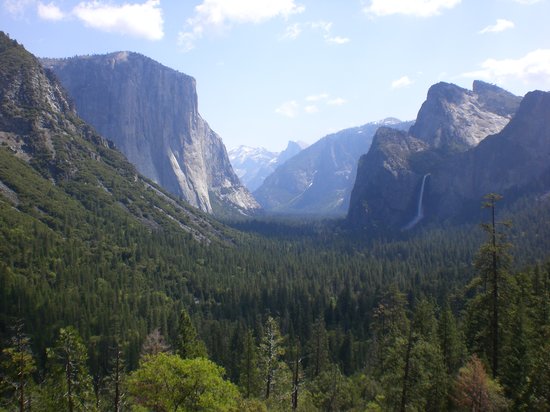
Photo Credit: Yosemite National Park is courtesy of TripAdvisor

Monday, October 24, 2016

CA-YNP Yosemite Mariposa Grove Prescribed Fire and Lakes Fire [MAP]

Yosemite Fire Update #12
October 23, 2016
Inline image 1
Ignition of unit 14 Mariposa Grove 10/23/16

Yosemite Fire Report Mariposa Grove Prescribed Fire and Lakes Fire
Yosemite Mariposa Grove – Prescribed Fire
MARIPOSA GROVE – Prescribed Fire
Mariposa County

Ignitions of the Mariposa Grove prescribed fire continued this past weekend with an additional 36 acres completed in the upper grove. The project consists of 137 total acres, of which 75 acres have been completed over the last couple weeks. Fire personnel will continue to monitor and patrol the grove area. The Grove is currently closed to the public because of a major restoration project; burning at this time minimizes impacts to public use.

Smoke will be present during this project. Smoke, affecting health, is always a consideration in the decision to schedule prescribed fires. Community members and visitors who are sensitive to smoke may way to close their windows and doors and/or consider leaving the area during ignition of the project in order to reduce exposure.

The objective of this prescribed fire is ecosystem restoration. Historically, natural fire burned an average of 16,000 acres annually in Yosemite National Park and played an integral role in shaping Yosemite’s ecosystem. Yosemite’s Fire Management Program works to balance the protection of life, property and natural and cultural resources with the continuation of fire as a natural process. Applying fire under prescribed conditions mimics the frequent, low intensity, lightning caused fires.

Burning in the Mariposa Grove is a continuous process; the targeted areas have had 1-3 prescribed fires in the past 30 years, and continued burning is required to maintain healthy forest conditions. Fire produces the optimum conditions for Giant Sequoia reproduction and propagation. Fire not only removes the accumulated layers of dead woody debris, exposing nutrient rich mineral soil, but dries the cones allowing the seeds to shed. Fire also creates holes in the forest canopy, while eliminating shade tolerate competition.


LAKES – 37 35.6 x 119 33.6 approximate 8000 feet elevation
Mariposa and Madera Counties

The Lakes Fire in the Chilnualna Lakes area, between Turner Meadow and Buena Vista Peak, is a lightning caused fire that is being managed for multiple objectives. A ground reconnaissance was completed by Yosemite Crew-1 members earlier this week and reported the fire to be 1,001 acres. The fire had previously spread to the area of the 1999 Chil Fire area and has been most active on the west, north and northeast edge of the perimeter. Smoke has been visible from various locations within the park and surrounding area.

A trail closure is effective as of August 25, 2016, as the fire crossed the trail along Chilnualna Creek. The trail section between Turner Meadow (beyond the top of Chilnualna Fall) and Buena Vista Lake is included in the closure.

Thursday, October 20, 2016

CA-YNP Mariposa Grove, Prescribed Fire Yosemite National Park

Yosemite National Park, Mariposa Grove, Prescribed Fire 

Mariposa Grove Prescribed Fire
Displaying image.png

When and Where: Yosemite National Park fire managers are planning to continue ignitions of the Mariposa Grove prescribed fire project on Saturday October 22, 2016 and Sunday October 23, 2016. The focus will be in the upper grove for a total of 55 acres. An estimated 7 to 10 days of active burn down is anticipated. Fire managers have already successfully completed 75 acres of ignitions, out of the 137 acre total project.

Smoke will be present during the prescribed fire and in the Wawona area. Fire managers are working with the Mariposa County Air Pollution Control District (MCAPCD) to time the project to coincide with favorable weather and smoke dispersion conditions. Smoke, affecting health, is always a consideration in the decision to schedule prescribed fires. A smoke management plan has been submitted to the MCAPCD, and a burn permit has been issued. A smoke monitor will be placed in nearby communities.

Historically, natural fire burned an average of 16,000 acres annually in Yosemite National Park and played an integral role in shaping Yosemite’s ecosystem. Yosemite’s Fire Management Program works to balance the protection of life, property, and natural and cultural resources with the restoration of fire as a natural process. Due to decades of fire suppression (actively putting out any fire that started), many areas have become overgrown, unhealthy, and increasingly vulnerable to catastrophic wildfire.

The Mariposa Grove project is near the top of the Grove from Wawona Point to the south. Fire managers want to take advantage of the Mariposa Grove closure to conduct the project. The Grove is closed to the public because of a major restoration project. Burning at this time will minimize impacts to public use. Burning in the Mariposa Grove is a continuous process; the targeted areas have had 1-3 prescribed fires in the past 30 years, and continued burning is required to maintain healthy forest conditions. Fire produces the optimum conditions for Giant Sequoia reproduction and propagation. Fire not only removes the accumulated layers of dead woody debris exposing nutrient rich mineral soil, but dries the cones allowing the seeds to shed. In addition, fire creates holes in the forest canopy, while eliminating shade tolerate competition.

Park employees, community members, and visitors can expect to see fire personnel from various federal and state agencies conducting burning operations during the Mariposa Grove prescribed fire.

Thursday, October 13, 2016

CA-YNP Mariposa Grove Fire / Lakes Fire - Yosemite Wildland Fires Update #11

Yosemite National Park Fire 2016 Update #11October 13, 2016

MARIPOSA GROVE – Prescribed Fire
Mariposa County

Ignitions of the Mariposa Grove prescribed fire continued this week with an additional 44 acres completed in the upper grove. Last week, 31 acres were completed in the lower grove. Fire personnel will continue to monitor and patrol the grove area. The Grove is currently closed to the public because of a major restoration project; burning at this time minimizes impacts to public use.

Smoke will be present during this project. Smoke, affecting health, is always a consideration in the decision to schedule prescribed fires. Community members and visitors who are sensitive to smoke may way to close their windows and doors and/or consider leaving the area during ignition of the project in order to reduce exposure.

The objective of this prescribed fire is ecosystem restoration. Historically, natural fire burned an average of 16,000 acres annually in Yosemite National Park and played an integral role in shaping Yosemite’s ecosystem. Yosemite’s Fire Management Program works to balance the protection of life, property and natural and cultural resources with the continuation of fire as a natural process. Applying fire under prescribed conditions mimics the frequent, low intensity, lightning caused fires.

Burning in the Mariposa Grove is a continuous process; the targeted areas have had 1-3 prescribed fires in the past 30 years, and continued burning is required to maintain healthy forest conditions. Fire produces the optimum conditions for Giant Sequoia reproduction and propagation. Fire not only removes the accumulated layers of dead woody debris, exposing nutrient rich mineral soil, but dries the cones allowing the seeds to shed. Fire also creates holes in the forest canopy, while eliminating shade tolerate competition.

LAKES – 37 35.6 x 119 33.6 approximate 8000 feet elevation
Mariposa and Madera Counties

The Lakes Fire in the Chilnualna Lakes area, between Turner Meadow and Buena Vista Peak, is a lightning caused fire that is being managed for multiple objectives. A ground reconnaissance was completed by Yosemite Crew-1 members earlier this week and reported the fire to be 1,001 acres. The fire had previously spread to the area of the 1999 Chil Fire area and has been most active on the west, north and northeast edge of the perimeter. Smoke has been visible from various locations within the park and surrounding area.

A trail closure is effective as of August 25, 2016, as the fire crossed the trail along Chilnualna Creek. The trail section between Turner Meadow (beyond the top of Chilnualna Fall) and Buena Vista Lake is included in the closure.

Friday, September 9, 2016

CA-YNP Lakes Fire - Yosemite Fire Update [Map]

Yosemite Fires

Update 9-12-16: CA-YNP LAKES 
Location: 37 35.6 x 119 33.6 approximate 8000 feet elevation Mariposa County

The Lakes Fire in the Chilnualna Lakes area, between Turner Meadow and Buena Vista Peak, is a lightning caused fire that is being managed for multiple objectives.  An aerial flight was performed on September 10, 2016 and the fire was reported to be 755 acres in size.  The fire had previously spread to the area of the 1999 Chil Fire area and is most active on the northwest and west edge of the perimeter.  Smoke has been visible from various locations within the park and surrounding area.

Yosemite National Park Superintendent, Don Neubacher, signed a trail closure effective August 25, 2016, as the fire had crossed the trail along Chilnualna Creek.  Please reference the trail segment marked on the accompanying map.

AHWAHNEE MEADOW – Prescribed Burn
            Mariposa County

Yosemite National Park fire managers are planning a 62 acre Ahwahnee Meadow prescribed burn the week of September 12, 2016.  Ignition will take approximately one day and an additional two to four days of active burn down.

Smoke will be present during the prescribed fire and in Yosemite Valley.  Fire managers are working with the Mariposa County Air Pollution Control District (MCAPCD) to time the project to coincide with favorable weather and smoke dispersion conditions. Smoke, affecting health, is always a consideration in the decision to schedule prescribed fires.  A burn permit has been issued to Yosemite National Park by MCAPCD.  Community members who are sensitive to smoke may want to close their windows and doors and/or consider leaving the area during active ignition of the project in order to reduce their exposure

----------------------------------------------------------------
Yosemite Fire Update #4 – September 9, 2016 Lakes Fire
Yosemite Fire Lakes Fire Map – September 9, 2016

Update 9-6-16:
Location: 37 35.6 x 119 33.6 approximate 8000 feet elevation Mariposa County

The Lakes Fire in the Chilnualna Lakes area, between Turner Meadow and Buena Vista Peak, is a lightning caused fire that is being managed for multiple objectives.  Yosemite Crew 1 personnel hiked into the fire on September 6, 2016 and reported it to be 280 acres.  The fire had previously spread to the area of the 1999 Chil Fire area and is now most active on the northwest and west edge of the perimeter.  Smoke is visible from various locations within the park and surrounding area.

The Superintendent signed a trail closure effective August 25, 2016, as the fire had crossed the trail along Chilnualna Creek.  Please reference the trail segment marked on the accompanying map.

The Lakes Fire was initially confirmed on July 7, 2016 when Crew 1 personnel responded to reports of smoke in the area.  The fire is believed to be a lightning hold over from June 12, 2016. 


Lightning fires are a natural occurrence and play a vital role in shaping this fire dependent ecosystem.  Each year, lightning strikes may result in multiple fires in Yosemite’s wilderness.  By managing these fires for resource benefit, as opposed to suppressing them, we can ensure a healthier, more diverse and natural forest where future fires will burn with less intensity.

Wednesday, September 7, 2016

CA-YNP Yosemite Ahwahnee Meadow Prescribed Burn

Ahwahnee Meadow Prescribed Burn

Yosemite National Park fire managers are planning a 61 acre Ahwahnee Meadow prescribed burn in the coming week. Ignition will take approximately one day and an additional two to four days of active burn down.

Smoke will be present during the prescribed fire and in Yosemite Valley. Fire managers are working with the Mariposa County Air Pollution Control District (MCAPCD) to time the project to coincide with favorable weather that will facilitate good air quality. Smoke, affecting health, is always a consideration in the decision to schedule prescribed fires. Prior to ignition, a burn permit will be issued to Yosemite by MCAPCD. Community members who are sensitive to smoke may want to close their windows and doors and/or consider leaving the area during active ignition of the project in order to reduce their exposure.

Historically, natural fire burned an average of 16,000 acres annually in Yosemite National Park and played an integral role in shaping Yosemite’s ecosystem. Yosemite's Fire Management program is designed to balance the protection of life, property, and natural and cultural resources with the continuation of fire as a natural process. Due to decades of fire suppression (actively putting out any fire that starts), many areas have become overgrown, unhealthy, and increasingly vulnerable to catastrophic wildfire.

The objective of this prescribed burn is ecosystem restoration. American Indians frequently used fire in this area to shape the landscape to their uses. Applying fire under prescribed conditions mimics the frequent, low intensity, lightning caused fires that used to occur. Fire also allows for the recycling of nutrients to the soil, which encourages the germination and regrowth of plants, shrubs and trees.

Park employees, community members, and visitors can expect to see fire personnel from various federal and state agencies conducting burn operations during the Ahwahnee Meadow Prescribed Fire.

For More Information 
 Fire Information: nancy_phillipe@nps.gov (209) 372-0480 
 Yosemite National Park Fire Information website: http://www.nps.gov/yose/blogs/fireinfo.htm.  Yosemite Wildland Fire Facebook: https://www.facebook.com/Yosemite-Fire-and-Aviation-124632964255395/ 
 Yosemite Fire Twitter: https://twitter.com/yosemitefire 
 California Smoke Blog online access: http://californiasmokeinfo.blogspot.com/ 
 Yosemite Webcam: http://www.yosemiteconservancy.org/webcams

Wednesday, July 13, 2016

Yosemite National Park implemented Stage 1 Fire Restrictions until further notice.

Yosemite Institutes Fire Restrictions

Yosemite National Park is experiencing high fire danger, along with continued hot and dry weather patterns. Due to current and predicted fire conditions and fire behavior, the Superintendent of Yosemite National Park implemented Stage 1 Fire Restrictions until further notice.

By order of the Superintendent Yosemite National Park and under authority of Title 36, Code of Federal Regulations, Section 2.13(c):

You may not build, maintain, attend to or use a campfire or cooking fire (including charcoal fires) within Yosemite National Park, except in designated areas below 6,000 feet in elevation. Portable stoves using pressurized gas, liquid fuel, or propane are permitted, as are alcohol stoves (with and without a shutoff valve) including alcohol tablet/cube stoves. “Sierra” (twig) stoves are not permitted.

No smoking below 6,000 feet, except within an enclosed vehicle, a campground or picnic area where wood and charcoal fires are allowed or in a designated smoking area. All public buildings, public areas of concession buildings (including restrooms), other areas as posted and within 25 feet of any non-single family residential building remain closed to smoking at all times.
Campfires and cooking fires may still be used in designated campgrounds, picnic areas and residential areas in developed portions of the park in accordance with park regulations.

Designated Campgrounds and Picnic Areas: Upper Pines, Lower Pines, North Pines, Yellow Pines, Camp 4, Wawona, Bridalveil Creek, Hodgdon Meadow, Crane Flat, Tamarack Flat, White Wolf, Yosemite Creek, Porcupine Flat, Tuolumne Meadows, Lembert Dome, Tenaya Lake, Glacier Point, Cascade, El Capitan, Cathedral Beach, Sentinel Beach, Swinging Bridge, Church Bowl, and Lower Yosemite Falls.

There are no administrative exemptions to this order. This designation will remain in place until rescinded.

Fire restrictions reduce the probability of an accidental fire that could threaten visitors and employees during times of high fire danger. Cooperation in complying with these temporary restrictions is greatly appreciated.

For More Information
Fire Information: nancy_phillipe@nps.gov (209) 372-0480
Yosemite National Park Fire Information website: http://www.nps.gov/yose/blogs/fireinfo.htm.
Yosemite Wildland Fire Facebook: https://www.facebook.com/Yosemite-Fire-and-Aviation-124632964255395/
Yosemite Fire Twitter: https://twitter.com/yosemitefire


Nancy Phillipe
Yosemite National Park
Emergency Communications Center Manager
Detailed to Yosemite Fire Information
209-620-6431 Work Cell
209-372-0480 Office Fire Info Landline


Saturday, July 9, 2016

CA-YNP Lakes Fire, Yosemite National Park Wildland Fire Mariposa County [MAP]

Lakes Fire, CA-YNP Lakes Fire, Yosemite National Park

Lakes Fire, Yosemite National Park

Lakes Fire, Yosemite National Park Location Map

Location: Yosemite National park approximate 8000 feet elevation, Mariposa County near the Madera County border,  approximately 0.20 miles off the Chilnualna Lakes Trail
GPS: 37 35.621 x 119 33.571 

Updates:
07/08/2016 - After receiving reports of smoke in the Chilnualna Lakes area, between Turner Meadow and Buena Vista Peak, fire personnel from Yosemite Crew-1 hiked into the area on June 7, 2016. 

 A confirmed lightning strike tree was observed, which resulted in a 3.2 acre surface fire. The fire was described as smoldering and creeping in brush, timber and duff, with moderate spread potential. The fire is approximately 0.20 miles off the Chilnualna Lakes Trail, but there are no immediate threats to the area, or the hiking trail. At this time, the fire will be in a monitor status and Crew-1 has hiked out of the area.

Wildland Use Fires [WUF]: Each year, lightning strikes may result in multiple fires in Yosemite’s wilderness.  By managing these fires for resource benefit, as opposed to suppressing them, we can ensure a healthier, more diverse and natural forest where future fires will burn with less intensity

 Lightning fires are a natural occurrence and play a vital role in shaping this fire dependent ecosystem. Each year, lightning strikes may result in multiple fires in Yosemite’s wilderness. By managing these fires for resource benefit, as opposed to suppressing them, we can ensure a healthier, more diverse and natural forest where future fires will burn with less intensity.

For More Information
Fire Information: nancy_phillipe@nps.gov (209) 372-0480
Yosemite National Park Fire Information website: http://www.nps.gov/yose/blogs/fireinfo.htm.
Yosemite Wildland Fire Facebook: https://www.facebook.com/Yosemite-Fire-and-Aviation-124632964255395/
Yosemite Fire Twitter: https://twitter.com/yosemitefire

Monday, June 6, 2016

CA-YNP Yosemite National Park Announces Start of 2016 Fire Season


Yosemite Announces Fire Season
June 6, 2016
NPS YOSEMITE NATIONAL PARK - YOSEMITE VALLEY MAP 2016
The 2016 fire season officially begins Monday June 6, 2016.   Fire crews have completed all training, fire refreshers and fitness tests and all stations are staffed.    The NPS has transitioned to fire season preparedness and fire resources will be available seven days per week for suppression efforts. Park fire resources for the season include: fire management officials, four Type 3 wildland engines, one helicopter, and one hand crew.  

In preparation for the fire season, the park will begin defensible space inspections throughout Yosemite’s communities, including Aspen Valley, Hodgdon Meadows, Foresta, El Portal, Yosemite Valley, and Wawona beginning Monday, June 6.  

Grasses and other vegetation at the lower elevations have begun to dry out.  Residents and homeowners are urged to clear a defensible space of 100 feet or to property lines around homes and other structures in an effort to reduce the risk of fire hazards.  

With the official declaration of fire season, pile burning will be discontinued throughout the park until further notice.

Yosemite National Park urges local residents and visitors to “Please be Fire Safe,” when residing and visiting the park and other public lands.  

Special attention should be given when departing campgrounds, backcountry camping sites, and picnic areas to make sure all campfires have been extinguished with water, mixed with ashes and are out on departure.

For more information about fire in Yosemite National Park, please visit:

For additional Information

Twitter:  http://twitter.com/#!/YosemiteFire

Wednesday, May 25, 2016

CA-YNP Yosemite National Park Soup Bowl Prescribed Fire [MAP]

CA-YNP SOUPBOWL UNITS 2 & 3 - YOSEMITE NATIONAL PARK - PRESCRIBED FIRE

Soup bowl Prescribed FireMay 31, 2016

Yosemite National Park 2016 Planned Prescribed Fire May 31, 2016
Yosemite National Park fire managers are planning the 175 acre Soupbowl Prescribed Fire, Units 2 and 3, on May 31, 2016. Fire managers will wait for favorable weather conditions to begin the prescribe fire. Ignition will take 2 to 3 days and an additional 1 week of active burn down.
The primary objective is to reduce hazardous fuels within the mixed conifer forest adjacent to the Wildland Urban Interface (WUI) community of Wawona, park infrastructures at the south entrance station and the Mariposa Grove of Sequoias.  This project creates a continuous area of reduced fuel by linking together multiple previous fires and treatments, and mechanical thinning along the Wawona Road.
A secondary objective is ecosystem restoration.  Applying fire under prescribed conditions mimics the frequent, low-intensity lightning caused fires that occurred in Sierras prior to the exclusion of fire which began over 100 years ago under aggressive fire suppression policies. Historically, natural fires burned an average of 16,000 acres annually in Yosemite and played an integral role in shaping Yosemite’s ecosystems.  In the absence of frequent fire, unnatural levels of forest biomass have accumulated which has put many of Yosemite’s values at risk, including neighboring communities, and natural and cultural features.  As climate changes, these values become increasingly vulnerable to catastrophic wildfire.
Park employees, community members, and visitors can expect to see crews from various federal and state agencies conducting burn operations during the Soupbowl Prescribed Fire.  

Smoke will be present during the prescribed fire, particularly during late evening and early morning hours.  Fire managers are working with the Mariposa County Air Pollution Control District (MCAPCD) to time the project to coincide with favorable weather that will facilitate good air quality, and disperse smoke into the atmosphere away from the community.  Prior to ignition, a burn permit is issued to the park by MCAPCD and smoke monitoring equipment was installed in the community.  Community members who are sensitive to smoke may want to close their windows and doors and/or consider leaving the area during active ignition of the project in order to reduce their exposure.
  
For additional Information
Fire Information: gary_wuchner@nps.gov; 209.372-0459; and nancy_phillipe@nps.gov, 209.379.1188.

Friday, October 23, 2015

Yosemite National Park: Proposed Prescribed Fire Schedule [Maps]


Proposed Prescribed Fire Schedule in Yosemite National Park
CA-YNP - Yosemite Parkwide Prescribed Burn Map
YNP -  Mariposa Grove Burn Map
CA-YNP -  Mariposa Grove Prescribed Burn Map
Yosemite National Park Fire Managers are planning one of two prescribed fires in Yosemite National Park, weather and air quality permitting, October 28, 2015. The projects are either the Mariposa Grove of Giant Sequoias or a portion of Soupbowl along the Wawona Road.  Both of the projects have been planned for the fall and are near the southern entrance of the park near Wawona.  Fire managers are planning the projects in front of a predicted storm with only one being selected.
The Mariposa Grove project is the highest priority and is near the top of the Grove from Wawona Point to the south. Fire managers want to take advantage of the Mariposa Grove closure to conduct the 114 acre burn project.  Burning in the Grove is a continuous process and the burn areas have experienced fire in the past.   Fire produces the optimum conditions for Giant Sequoia reproduction and propagation.  Fire not only removes the accumulated layers of dead woody debris exposing nutrient rich mineral soil, but dries the cones allowing the seeds to shed.  Fire also creates holes in the forest canopy, while eliminating shade tolerant competition.

The Soupbowl project is to create a black-line along the Wawona Road in preparation for the entire prescribed fire project area at a later date.  The primary objective is to reduce hazardous fuels within the mixed conifer forest adjacent to the Wildland Urban Interface (WUI) community of Wawona, park infrastructures at the south entrance station and the Mariposa Grove of sequoias.  This project creates a continuous area of reduced fuel by linking together multiple previous prescribed fires.

A secondary objective is ecosystem restoration.  Applying fire under prescribed conditions mimics the frequent, low intensity, lightning caused fires that occurred in Sierras prior to the exclusion of fire which began over 100 years ago under aggressive fire suppression policies. Historically, natural fire burned an average of 16,000 acres annually in Yosemite and played an integral role in shaping Yosemite’s ecosystems.  In the absence of frequent fire, unnatural levels of forest biomass have accumulated which has put many of Yosemite’s values at risk, including neighboring communities, and natural and cultural features.  As climate changes, these values become increasingly vulnerable to catastrophic wildfire.

Smoke from the fire may be visible within the Wawona area and south entrance.  Smoke, affecting health, is always a consideration in the decision to schedule prescribed fires.  A smoke management plan has been submitted to the Mariposa County Air Pollution Control District, and a burn permit will be issued prior to ignition.  A smoke monitor will be placed in nearby communities to monitor smoke.  


For More Information


Twitter Buttons

****REMINDER**** Every fire has the ability to be catastrophic. The wildland fire management environment has profoundly changed. Growing numbers of communities, across the nation, are experiencing longer fire seasons; more frequent, bigger, and more severe, fires are a real threat. Be careful with all campfires and equipment.

"I am a firm believer in the people. If given the truth, they can be depended upon to meet any national crisis. The great point is to bring them the real facts, and beer." --Abraham Lincoln

View blog top tags
---------------------
CLICK HERE TO GO BACK TO TOP OF CALIFORNIA FIRE NEWS HOME PAGE

Subscribe via email to California Fire News - Keep track of Cal Fire News

Enter your email address:

Delivered by FeedBurner